-
Skyzenith
- February 5, 2026
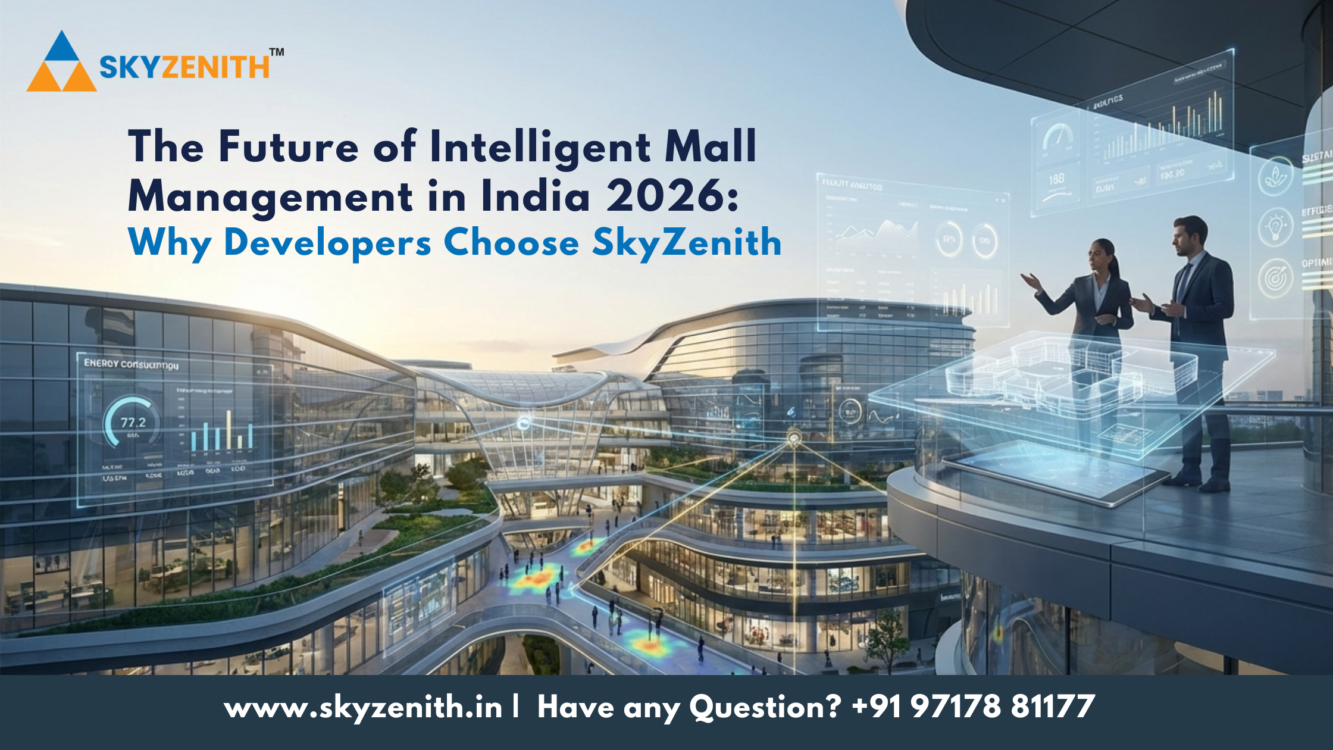
The Future of Intelligent Mall Management in India 2026: Why Developers Choose SkyZenith
The evolution of mall management in India is entering a revolutionary phase. As retail ecosystems expand, consumer expectations transform, and technology reshapes operational models, the concept of intelligent mall management is emerging as the strategic foundation for sustainable success. In 2026, India stands at the cusp of a new retail era where data-driven insights, advanced automation, and customer-centric experiences converge to redefine what it means to manage a modern shopping destination.
This narrative explores how intelligent mall management is transforming commercial spaces across India and the strategic approaches that help developers and stakeholders unlock value, optimize performance, and create compelling retail environments that resonate with the future.
A New Vision for Mall Management in 2026
Traditional mall management focused on lease administration, maintenance, and tenant relations. While these elements remain essential, the future demands a holistic, intelligent framework that enhances operational efficiency, experience design, and profitability.
By 2026, mall owners and developers in India are embracing integrated systems that leverage artificial intelligence (AI), the Internet of Things (IoT), predictive analytics, and real-time performance tracking. These technologies do not operate in isolation; they serve as the backbone of a smart mall ecosystem that anticipates consumer behavior, adapts to market trends, and ensures sustained asset performance.
Intelligent mall management is no longer a luxury; it is a core strategic differentiator that defines competitive success.
The Drivers Behind Intelligent Mall Management Adoption
Several key forces are influencing the widespread adoption of intelligent mall management strategies in India:
1. Evolving Consumer Expectations
Today’s consumers seek more than transactions; they desire experiences. From immersive brand engagements to seamless navigation and personalized services, expectations are continually rising. Malls that can anticipate and respond to these preferences create environments that foster loyalty and increase dwell time.
Data analytics and AI-driven insights allow mall operators to study footfall patterns, peak engagement times, customer preferences, and purchasing behaviors creating a predictive edge that informs decisions and enhances experiences.
2. Digital Transformation Across Retail Landscapes
Digital transformation is no longer isolated to e-commerce. Physical retail environments are integrating digital touchpoints such as interactive directories, smart parking systems, contactless experiences, and mobile-based loyalty programs. These innovations not only streamline the visitor experience but also generate valuable data that fuels intelligent management strategies.
3. Operational Efficiency and Cost Optimization
Rising energy costs, staffing challenges, and maintenance complexity present ongoing challenges for mall developers and operators. Intelligent management platforms unify disparate systems such as HVAC, lighting, security, and tenant operations into centralized dashboards, enabling real-time monitoring, preventive maintenance, and efficient resource allocation.
This holistic perspective helps reduce operational costs while enhancing reliability and performance.
4. Strategic Location Insights and Market Intelligence
In a competitive landscape, insightful location strategies empower developers to align tenant mixes and retail offerings with customer demographics and purchasing power. Predictive analytics help inform decisions that maximize revenue potential and strengthen long-term viability in both established and emerging markets.
Transforming Mall Spaces with Smart Technologies
Intelligent mall management in India 2026 is defined by advanced technologies that operate in harmony to deliver superior outcomes:
AI-Driven Analytics and Consumer Insights
Artificial intelligence enables deep segmentation of consumer data identifying patterns that were previously undetectable through conventional reporting. These insights help mall operators tailor promotions, refine tenant strategies, and design events that resonate with specific customer segments.
IoT and Facility Automation
The integration of IoT sensors enables real-time monitoring of environmental conditions, energy consumption, security systems, and footfall. Automated responses based on real-time triggers such as adjusting lighting during off-peak hours or deploying cleaning crews when certain thresholds are met elevate operational effectiveness.
Digital Engagement Platforms
Digital engagement tools, including mobile apps and interactive screens, serve as gateways to personalized experiences. They guide visitors through navigation, exclusive offers, loyalty rewards, and community events binding the physical environment with digital convenience.
Predictive Maintenance
Machine learning models predict equipment failures before they occur, reducing downtime and costly interruptions. From escalator systems to climate control infrastructure, predictive maintenance optimizes asset longevity and enhances visitor safety.
Creating Next-Generation Retail Experiences
The future of intelligent mall management is not merely about efficiency it is about redefining consumer experiences. As competition intensifies, malls that elevate differentiation through curated engagements flourish.
Imagine a destination where:
- Visitors receive customized offers based on their preferences.
- Smart parking systems guide drivers to available slots with minimal wait times.
- Real-time crowd analytics optimize zone flows, enhancing safety and comfort.
- Retailers engage customers through integrated loyalty programs linked to in-mall navigation.
These experiences transform malls from transactional spaces into dynamic lifestyle destinations that reflect contemporary consumer aspirations.
Challenges and Strategic Solutions in Implementation
Despite the clear advantages of intelligent mall management, its implementation poses challenges:
Integration of Legacy Systems
Many existing malls operate on fragmented systems that lack interoperability. Strategic integration requires careful planning, phased adoption, and solutions that bridge legacy infrastructure with modern platforms.
Data Security and Privacy
The expansion of digital touchpoints raises concerns around data governance. Intelligent management frameworks must ensure robust cybersecurity, transparent data practices, and compliance with regulatory standards.
Change Management and Stakeholder Alignment
Adopting intelligent systems often requires cultural and operational shifts. Mall operators, tenants, and service partners must align around shared goals and workflows for successful execution.
Through guidance rooted in strategic understanding and practical implementation, developers can navigate these challenges with confidence.
Why Intelligent Mall Management Matters to Developers
For developers, intelligent mall management is more than a technological upgrade—it is strategic foresight. It significantly impacts:
- Asset Valuation: Smart malls with advanced systems attract premium investments and long-term partnerships.
- Tenant Satisfaction: Retailers prefer environments where data insights and operational efficiencies enhance their performance.
- Customer Loyalty: Seamless experiences foster repeat visitation and strengthen market reputation.
- Future Scalability: Digital infrastructure allows malls to evolve with consumer trends and competitive pressures.
In essence, mall projects designed with intelligence at their core are better positioned to thrive in India’s dynamic retail landscape.
Intelligent Mall Management: A Strategic Advantage for 2026
As India’s retail and commercial real estate sectors advance in 2026, intelligent mall management will become an indispensable component of success. It is the convergence of technology, strategy, and customer experience that redefines how malls operate and thrive.
Developers seeking to future-proof their assets are increasingly prioritizing comprehensive, data-driven management frameworks that unlock value, foster sustainability, and elevate stakeholder outcomes.
About the Company: Services and Unique Value Proposition
SkyZenith is a distinguished real estate advisory and mall management solutions provider committed to advancing intelligent retail environments across India. Located at Spaze Platinum, Sohna Road, Gurgaon, and reachable at +91 97178 81177 or via Hemraj.dabur@skyzenith.in, the firm offers a suite of services designed to optimize performance and deliver strategic results.
Their offerings include:
- Mall Management and Advisory Services: Providing end-to-end operational oversight, tenant mix strategy, and performance tracking tailored to modern retail needs.
- Commercial Advisory Solutions: Supporting brands and developers in navigating complex real estate decisions with data-driven insights.
- Asset and Facility Management: Enhancing asset performance through integrated systems and predictive maintenance strategies.
- Retail Leasing and Tenant Strategies: Maximizing occupancy and revenue through curated leasing plans aligned with market intelligence.
By integrating technical expertise with a deep understanding of market dynamics, SkyZenith helps stakeholders create smart, future-ready environments that elevate the value and experience of retail destinations. Their commitment to customer-centric solutions and operational excellence positions them as a trusted partner in India’s evolving commercial real estate landscape.